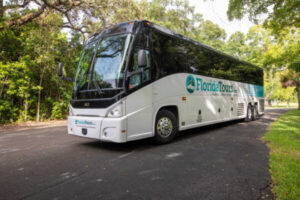
Spring baseball season brings a familiar rhythm for high school teams across Florida. Practices intensify, schedules fill up, and weekends are often spent traveling to away games, tournaments, and training events. In the middle of all that movement, one factor quietly shapes the experience for players and coaches alike: how the team gets from point A to point B.
Reliable transportation is more than a logistical necessity for baseball programs. It affects preparation, focus, recovery, and even team morale. When travel is smooth and well organized, athletes arrive calmer, more focused, and ready to compete. When it is not, distractions and fatigue can creep in long before the first pitch.
Traveling With the Right Space for Players and Equipment
Baseball is a gear-heavy sport. Teams travel with bats, helmets, gloves, catcher’s equipment, bags, coolers, and personal items for long days at the field. Managing all of that across multiple cars can quickly become chaotic. Equipment gets separated, items are forgotten, and coaches spend valuable time coordinating instead of coaching.
Group transportation simplifies this process. With adequate undercarriage storage and organized space, all equipment travels together with the team. Players can board knowing their gear is secure and accessible, and coaches can focus on game plans rather than logistics. This sense of order sets the tone for the day and reduces unnecessary stress before competition even begins.
The Value of Traveling Together as a Team
Baseball is built on teamwork, communication, and trust. Those elements do not develop only on the field. Time spent together during travel plays an important role in building chemistry and strengthening relationships.
The ride to an away game often becomes a space for quiet focus, conversation, or last-minute preparation. Players may review strategies, talk through defensive alignments, or simply relax together before a long day. After the game, the bus ride home provides time to decompress, reflect on performance, and reconnect as a group, whether after a tough loss or a big win.
This shared travel experience helps reinforce the idea that the team moves as one unit, from the locker room to the field and back again.
Staying on Schedule During a Busy Season
Baseball schedules can be demanding. Doubleheaders, tournament play, and tight turnaround times require punctual arrivals and dependable timing. Delays can disrupt warmups, affect player readiness, and create unnecessary pressure for coaching staff.
Consistent transportation helps teams stay aligned with their schedules. Knowing when the team will arrive allows coaches to plan warmups properly and maintain routines that support performance. It also provides peace of mind for athletic directors and school administrators who need confidence that teams will arrive safely and on time.
Comfort Matters for Performance and Recovery
Travel can be physically demanding, especially during peak season. Long rides, early departures, and late returns all take a toll on young athletes. Comfortable seating, climate control, and a calm environment make a noticeable difference in how players feel when they arrive.
A relaxed travel experience allows athletes to conserve energy, stretch out, and mentally prepare for competition. After games, that same comfort supports recovery, helping players unwind on the ride home instead of sitting tense or cramped. Over the course of a long season, these small details add up.
Planning Ahead for a Smoother Season
As spring approaches, many schools are securing transportation earlier than in previous years. Tournament weekends and popular travel dates fill quickly, and planning ahead gives programs more flexibility and fewer last-minute challenges.
Transportation that is treated as part of the team’s preparation, rather than an afterthought, contributes to a more organized and successful season overall.