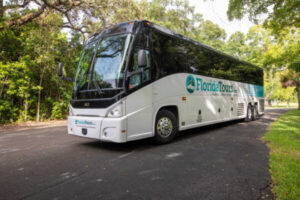
College athletics operate on tight schedules, high expectations, and constant movement. Between conference games, invitational meets, tournaments, and multi day competitions, student athletes and staff spend a significant amount of time on the road. While training, nutrition, and recovery are often top priorities, transportation plays a quieter but equally important role in performance and consistency.
When travel is well organized, teams arrive calmer, more focused, and physically ready to compete. When it isn’t, small issues can quickly snowball into fatigue, stress, and lost preparation time. That’s why many college athletic programs are paying closer attention to how they move athletes from campus to competition.
Travel Sets the Tone Before the Game
The hours leading up to competition matter. For athletes, travel time is often used to rest, review strategies, hydrate, and mentally prepare. A smooth, predictable ride allows players to stay in their routines, instead of worrying about delays, directions, or logistics.
Traveling together also keeps teams unified. Coaches can communicate clearly, staff can manage schedules more easily, and athletes stay connected as a group. That sense of structure helps reduce distractions and supports focus long before warm ups begin.
Comfort Supports Physical and Mental Readiness
College athletes place constant demands on their bodies. Long trips in cramped or uncomfortable conditions can increase stiffness, fatigue, and mental strain. Comfortable seating, consistent climate control, and the ability to stretch or rest during travel can make a noticeable difference, especially during busy competition weekends.
Access to WiFi and onboard power also allows teams to use travel time efficiently. Some athletes review playbooks or footage, while others prefer to relax with music or quiet time. Coaches may finalize game plans or communicate last minute updates. Having those options available gives teams flexibility without pressure.
Managing Equipment and Gear Efficiently
Unlike casual travel, college sports teams move with significant equipment. Uniforms, training gear, coolers, medical kits, and sport specific equipment all need to arrive intact and on time. Ample storage space keeps seating areas clear and helps staff manage gear without unnecessary stress.
Knowing that everything is packed securely allows teams to focus on competition, not on whether something was forgotten or damaged along the way.
Punctuality Is Not Optional in College Sports
Game schedules are fixed. Arrival windows are often tight, especially when facilities host multiple teams in a single day. Professional drivers who understand athletic timelines help ensure teams arrive when they should, without rushing or unnecessary delays.
Reliable scheduling also supports recovery and rest. Getting back to campus on time matters just as much as arriving on time, especially during multi game weekends or back to back competitions.
Travel Trends Heading Into Spring 2026
As February 2026 approaches, many college programs are finalizing spring schedules. Conference play, regional tournaments, and out of state events are driving increased demand for coordinated transportation. Athletic departments are also traveling more frequently with multiple teams during shared weekends, making planning more complex.
Early coordination has become the norm. Programs that plan transportation in advance gain more flexibility and avoid last minute adjustments that can disrupt preparation.
Transportation as Part of Performance Strategy
At the college level, every detail matters. Transportation may not show up on the scoreboard, but it influences how athletes feel, how teams function, and how smoothly events unfold.
When travel runs smoothly, teams arrive prepared, both physically and mentally, to compete at their highest level.